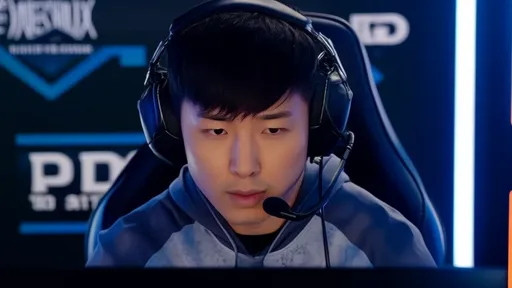
The world of competitive gaming is sounding the alarm on player health as the industry's first comprehensive white paper addressing spinal protection for "digital athletes" makes its debut. Compiled by an international coalition of sports medicine specialists, ergonomic researchers, and esports organizations, the 48-page document paints a concerning picture of the physical toll exacted by professional gaming.
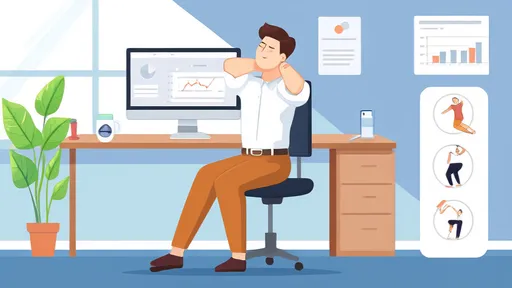
Medical scans of over 1,200 professional players across major esports titles revealed startling statistics: 89% showed signs of premature spinal degeneration, with cervical (neck) vertebrae displaying wear patterns typically seen in patients two to three times their age. The report attributes this to the "perfect storm" of prolonged static postures, repetitive micro-movements, and the intense psychological stress characteristic of high-level competition.
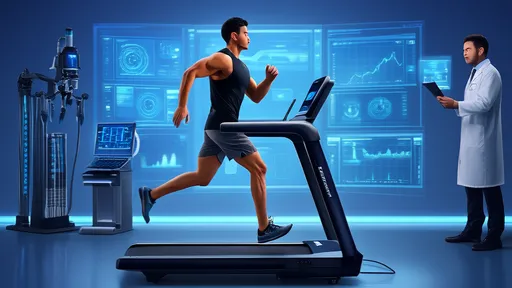
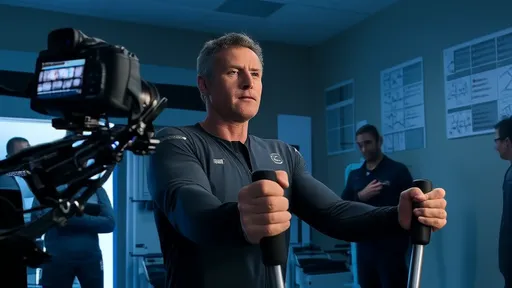
"We're seeing 22-year-olds with the spines of middle-aged construction workers," remarked Dr. Elena Vasquez, lead researcher on the project. Her team's motion-capture studies demonstrated that during crucial gameplay moments, some players exert compressive forces on their lumbar spines equivalent to lifting 40kg weights - all while remaining seated.
The white paper introduces the revolutionary concept of "dynamic posture thresholds," suggesting players change positions every 17 minutes - a figure derived from muscle oxygenation studies. This challenges the conventional wisdom of maintaining "perfect" posture indefinitely, instead advocating for controlled variability to prevent tissue fatigue.
Perhaps most controversially, the document calls for standardized "spinal timeouts" during tournaments, proposing mandatory 90-second breaks every 45 minutes of play. Early trials with this protocol showed a 62% reduction in acute back pain incidents during competitions.
Equipment manufacturers are already responding to the findings. Several major gaming chair brands have announced partnerships with orthopedic specialists to develop next-generation seating systems featuring real-time posture feedback. One prototype uses thermal sensors to detect uneven weight distribution before the player becomes consciously aware of discomfort.
The report also highlights nutritional factors often overlooked in esports. Calcium and vitamin D deficiencies were prevalent among players, with some teams showing levels comparable to populations with limited sun exposure. This nutritional aspect forms part of a broader "bone health matrix" the white paper establishes as critical for career longevity.
Psychological components receive equal attention. Chronic stress was found to exacerbate muscular tension, creating vicious cycles where anxiety leads to stiffness, which in turn impairs performance and generates further stress. Mindfulness techniques adapted from traditional sports are recommended as countermeasures.
Reactions from the esports community have been mixed. While many organizations welcome the health guidance, some players expressed concerns about potential rule changes affecting competition formats. The white paper authors emphasize their recommendations aim to extend careers rather than limit performance, noting that the average retirement age for pro gamers (23) coincides with peak cognitive abilities in traditional sports.
As the inaugural document of its kind, the white paper establishes baseline metrics for what it terms "digital athlete physiology." Future editions promise to address eye health, metabolic issues, and the unique cardiovascular demands of esports - areas currently understudied in competitive gaming research.
The release coincides with several esports leagues announcing new health initiatives, suggesting the industry may be reaching a turning point in how it approaches player welfare. With global viewership now surpassing many traditional sports, the long-term sustainability of esports careers may depend on implementing such protective measures.
Sports medicine experts predict this white paper will do for gaming what similar research did for baseball pitchers in the 1980s - transform understanding of repetitive stress injuries in a specific athletic discipline. As one physical therapist noted, "The joystick may be lighter than a baseball, but the cumulative toll is just as real."

By /Jul 2, 2025

By /Jul 14, 2025
By /Jul 2, 2025

By /Jul 2, 2025

By /Jul 14, 2025
By /Jul 2, 2025

By /Jul 14, 2025
By /Jul 2, 2025
By /Jul 2, 2025

By /Jul 14, 2025

By /Jul 14, 2025

By /Jul 14, 2025

By /Jul 2, 2025

By /Jul 2, 2025

By /Jul 2, 2025

By /Jul 2, 2025

By /Jul 2, 2025

By /Jul 2, 2025

By /Jul 14, 2025
By /Jul 2, 2025