For decades, vitamin D has been synonymous with bone health, touted as the essential nutrient that prevents rickets in children and osteoporosis in adults. But emerging research is painting a far more complex picture of this sunshine vitamin, revealing its profound influence on systems far beyond the skeletal framework. Scientists are now uncovering vitamin D's intricate role in immunity, mental health, chronic disease prevention, and even longevity, challenging the narrow definition that has dominated nutritional science for nearly a century.
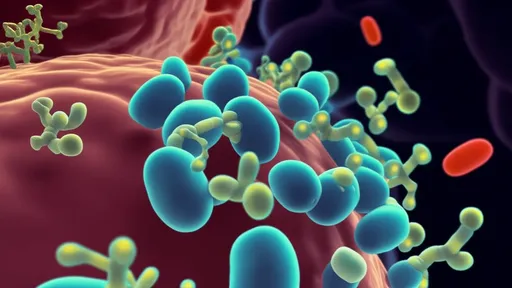
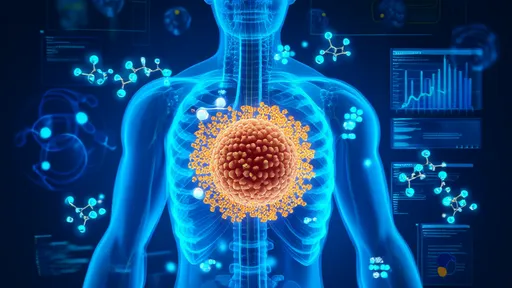
The turning point came when researchers discovered vitamin D receptors in nearly every tissue of the human body—from brain neurons to immune cells. This anatomical revelation suggested functions extending well beyond calcium metabolism. What followed was an explosion of studies linking vitamin D status to everything from seasonal depression to autoimmune disorders, with particular attention to its role as a potent immunomodulator. During the COVID-19 pandemic, this connection gained mainstream attention as studies correlated vitamin D deficiency with worse respiratory outcomes.
One of the most paradigm-shifting discoveries involves vitamin D's relationship with the microbiome. Cutting-edge studies show that gut bacteria actively metabolize vitamin D, and in turn, vitamin D influences microbial diversity. This bidirectional relationship may explain why vitamin D supplementation appears to reduce inflammation in conditions like inflammatory bowel disease. Meanwhile, oncologists are exploring how vitamin D regulates cellular differentiation, with several meta-analyses suggesting protective effects against colorectal and breast cancers.
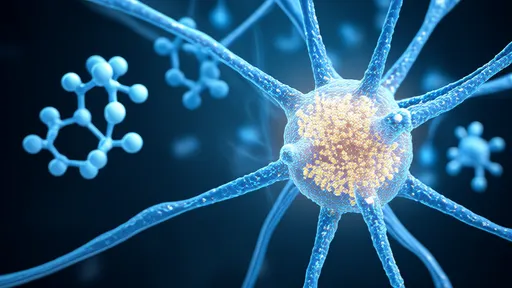
The brain represents another frontier in vitamin D research. Neuroscientists have identified vitamin D's neurosteroid properties, demonstrating its ability to regulate neurotransmitters like serotonin. Epidemiological studies consistently show associations between low vitamin D levels and depression, particularly in northern latitudes with limited winter sunlight. Clinical trials using high-dose vitamin D for seasonal affective disorder show promising results, though the mechanisms remain under investigation.
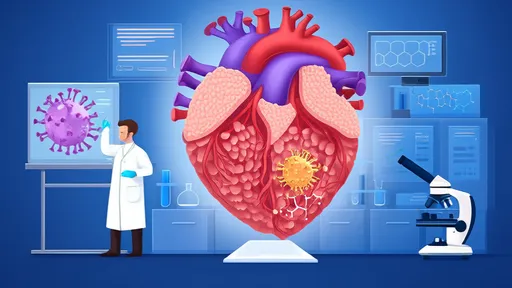
Cardiologists are equally intrigued by vitamin D's potential cardiovascular effects. While earlier observational studies suggested strong heart health benefits, more rigorous controlled trials have yielded mixed results. This discrepancy has led to sophisticated research into vitamin D's nuanced relationship with endothelial function and blood pressure regulation. What's becoming clear is that vitamin D's cardiovascular impact likely depends on baseline status—showing dramatic benefits only in deficient individuals.
Perhaps most surprisingly, vitamin D is emerging as a longevity factor. Longitudinal studies of centenarians consistently show higher average vitamin D levels compared to younger control groups. Telomere research suggests vitamin D may help maintain chromosomal stability, while its role in reducing chronic inflammation could slow biological aging. These findings have sparked interest in optimal dosing strategies for healthy aging, moving beyond the outdated paradigm of simply preventing deficiency diseases.
As the research evolves, so too does the understanding of vitamin D requirements. The standard recommended daily allowances, based solely on bone health metrics, are now being questioned. Nutrigenomics studies reveal significant genetic variations in how individuals metabolize vitamin D, explaining why some people maintain adequate levels with modest sun exposure while others require substantial supplementation. This personalized approach represents the future of vitamin D recommendations.
The implications of this expanded understanding are profound for public health. Traditional screening focused solely on preventing rickets and osteomalacia may miss suboptimal levels that could impact immune function or mental health. Some researchers advocate for population-wide supplementation in northern climates, while others caution against excessive intake without more definitive evidence. What's certain is that vitamin D's story has outgrown its skeletal confines, revealing itself as a versatile player in human physiology with mysteries yet to be uncovered.
In laboratories worldwide, scientists are now investigating vitamin D's potential roles in neurodegenerative diseases, fertility, metabolic syndrome, and even athletic performance. Each study peels back another layer of complexity, showing how this molecule—technically a prohormone—orchestrates countless biological processes. As one researcher remarked, "We used to ask what vitamin D does in the body. Now we're asking what doesn't it do?" The answer, it seems, is still being written.

By /Jul 2, 2025

By /Jul 14, 2025

By /Jul 2, 2025

By /Jul 2, 2025
By /Jul 14, 2025

By /Jul 2, 2025
By /Jul 14, 2025

By /Jul 2, 2025

By /Jul 2, 2025
By /Jul 14, 2025

By /Jul 14, 2025

By /Jul 14, 2025

By /Jul 2, 2025
By /Jul 2, 2025
By /Jul 2, 2025

By /Jul 2, 2025

By /Jul 2, 2025

By /Jul 2, 2025

By /Jul 14, 2025
By /Jul 2, 2025