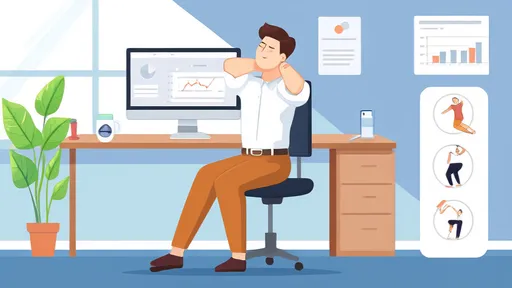
In today’s fast-paced corporate environment, office workers spend the majority of their day seated at desks, often in front of computer screens. While this sedentary lifestyle may seem harmless, it poses significant risks to spinal health. Poor posture, prolonged sitting, and inadequate workstation setups contribute to chronic back pain, neck strain, and even long-term spinal degeneration. Addressing these issues requires a proactive approach to spinal care, blending ergonomic adjustments with mindful habits to safeguard one of the body’s most critical structures.
The human spine is a complex system of bones, discs, muscles, and nerves designed for movement and flexibility. When confined to a chair for hours on end, the spine endures unnatural stress, particularly in the lumbar region. Slouching or hunching over a keyboard exacerbates this strain, leading to misalignment and discomfort. Over time, these habits can result in herniated discs, sciatica, or chronic musculoskeletal disorders. Recognizing the early signs of spinal distress—such as stiffness, tingling, or persistent aches—is crucial for preventing irreversible damage.
Ergonomics plays a pivotal role in mitigating spinal strain. An ideal workstation aligns the body in a neutral position, reducing undue pressure on the spine. The top of the computer monitor should sit at eye level to prevent neck craning, while the keyboard and mouse should be positioned to keep the wrists straight and the shoulders relaxed. Chairs with lumbar support are non-negotiable; they maintain the spine’s natural curve and distribute weight evenly. For those unable to invest in an ergonomic chair, a small pillow or rolled-up towel placed behind the lower back can offer temporary relief.
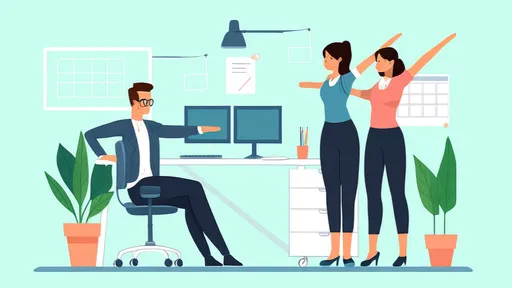
Movement is the spine’s best ally. Static postures, no matter how ergonomic, eventually lead to fatigue and compression. Incorporating micro-breaks into the work routine—standing, stretching, or walking for a few minutes every hour—can dramatically improve circulation and reduce spinal load. Simple exercises like shoulder rolls, seated twists, or gentle backbends counteract the forward-leaning posture typical of desk work. Over time, these small interventions foster resilience against the rigors of prolonged sitting.
Beyond the physical setup, mindfulness about posture is equally vital. Many office workers unconsciously revert to slouching, especially during high-focus tasks. Cultivating awareness of spinal alignment—imagining a string pulling the crown of the head upward—can help maintain an upright posture. Strengthening core muscles through yoga, Pilates, or targeted exercises further supports the spine by reducing reliance on passive structures like ligaments and discs. A strong core acts as a natural corset, stabilizing the torso and minimizing spinal stress.
Hydration and nutrition also play underrated roles in spinal health. The intervertebral discs, which act as shock absorbers between vertebrae, are primarily composed of water. Dehydration causes these discs to lose elasticity, impairing their ability to cushion the spine. A balanced diet rich in anti-inflammatory foods—such as leafy greens, fatty fish, and nuts—can mitigate the oxidative stress associated with sedentary lifestyles. Conversely, excessive caffeine or sugar intake may exacerbate inflammation, compounding spinal discomfort.
Employers share the responsibility of fostering a spine-friendly workplace. Encouraging standing meetings, providing adjustable desks, or offering onsite physiotherapy sessions demonstrates a commitment to employee well-being. When organizations prioritize spinal health, they not only reduce absenteeism but also enhance productivity and morale. After all, a pain-free employee is a more engaged and efficient one.
Ultimately, protecting the spine in an office setting demands a holistic approach. It’s not just about the right chair or the perfect desk height; it’s about integrating movement, mindfulness, and self-care into the daily grind. By treating spinal health as a non-negotiable priority, office workers can prevent debilitating conditions and enjoy a higher quality of life—both at work and beyond.

By /Jul 2, 2025

By /Jul 14, 2025
By /Jul 2, 2025

By /Jul 2, 2025

By /Jul 14, 2025

By /Jul 2, 2025

By /Jul 14, 2025

By /Jul 2, 2025

By /Jul 2, 2025

By /Jul 14, 2025

By /Jul 14, 2025
By /Jul 14, 2025

By /Jul 2, 2025

By /Jul 2, 2025

By /Jul 2, 2025

By /Jul 2, 2025

By /Jul 2, 2025

By /Jul 2, 2025

By /Jul 14, 2025

By /Jul 2, 2025