The global alcohol industry is witnessing a quiet but significant shift as younger consumers increasingly gravitate toward low-ABV (alcohol by volume) beverages, particularly hard seltzers and "light-drinking" cocktails. This trend, often described as the "micro-drunk" culture, reflects a broader societal change in how millennials and Gen Z view alcohol—not as a means to get intoxicated, but as a social lubricant that allows for controlled relaxation.
The Rise of 'Light' Drinking Culture
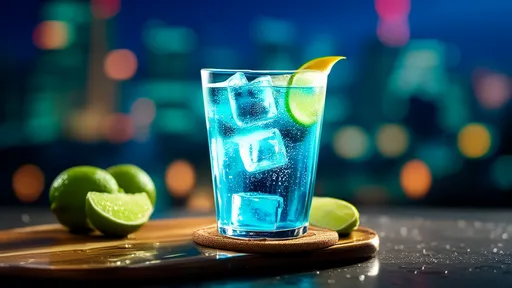
Unlike previous generations who associated alcohol with heavy drinking sessions, today’s youth are redefining consumption patterns. The appeal of hard seltzers—carbonated water infused with alcohol and natural flavors—lies in their crispness, lower calorie count, and subtler buzz. Brands like White Claw and Truly have capitalized on this demand, offering products that hover around 4-5% ABV, nearly half the strength of a standard cocktail or beer.
Industry analysts note that this shift isn’t just about health consciousness. Younger drinkers are prioritizing experience over excess. "They want to enjoy the social aspect of drinking without the next-day regrets," says beverage strategist Laura Kim. "It’s a mindful drinking movement—one where moderation is stylish."
Why Seltzers? Convenience Meets Aesthetic
Beyond the low alcohol content, hard seltzers align perfectly with the visual and logistical preferences of digital-native consumers. Their sleek, colorful cans are Instagram-friendly, and their portability makes them ideal for outdoor gatherings, festivals, or casual hangouts. Unlike craft beers or wines, which often require specific glassware or occasions, seltzers fit seamlessly into modern, fast-paced lifestyles.
Flavor innovation has also played a role. Early iterations were criticized for tasting overly synthetic, but newer versions boast botanical infusions, real fruit extracts, and even adaptogens like CBD or melatonin. This positions them as functional beverages—a bridge between hydration and recreation.
The Health Factor (Or the Illusion of It)
While hard seltzers are marketed as a "healthier" alternative, nutritionists caution that the term is relative. A 12-oz can might contain just 100 calories and 2g of sugar compared to a margarita’s 300+ calories, but frequent consumption still adds up. What’s undeniable, though, is the psychological comfort they provide. For a generation raised on wellness trends, the perception of making a "better choice" matters as much as the reality.
This aligns with the broader "sober curious" movement, where drinkers periodically abstain or opt for low-alcohol options without fully committing to teetotalism. Brands have responded with alcohol-free spirits and wines, but hard seltzers hit the sweet spot—literally and figuratively—by offering just enough alcohol to feel included in social rituals.
Economic and Cultural Drivers
The pandemic accelerated this trend. Lockdowns blurred the lines between weekdays and weekends, making heavy drinking less sustainable for remote workers. Meanwhile, the rise of dating-app culture and influencer-driven socializing favors beverages that keep users lucid enough to curate their online personas. "You don’t want to be the person slurring on a Zoom happy hour or a first date," observes cultural critic Derek Han. "Low-ABV drinks let you perform your best self."
Regional differences also emerge. In Asia, where alcohol tolerance tends to be lower, ready-to-drink (RTD) cocktails with 3% ABV dominate. In Europe, spritz-style drinks like Aperol have long embraced the low-alcohol ethos. America’s embrace of hard seltzers reflects a hybrid of these influences, repackaged for a generation that values both novelty and nostalgia.
What’s Next? The Future of 'Micro-Drunk'
As the market saturates, brands are experimenting with premiumization (aged seltzers, anyone?) and hybrid categories. Some predict a rise in low-alcohol craft beers or wine-based seltzers targeting older demographics who want to downshift their drinking. Others foresee tech integrations, like apps that track your "buzz level" via smart cups.
What’s clear is that the era of "drink ’til you drop" is fading. For younger consumers, alcohol is no longer about rebellion or escapism—it’s a calibrated choice, one that balances pleasure with control. And in that delicate equilibrium, hard seltzers have found their moment.
By /Jul 4, 2025
By /Jul 4, 2025

By /Jul 4, 2025

By /Jul 4, 2025
By /Jul 4, 2025

By /Jul 4, 2025
By /Jul 4, 2025
By /Jul 4, 2025
By /Jul 4, 2025
By /Jul 4, 2025
By /Jul 4, 2025
By /Jul 4, 2025
By /Jul 4, 2025
By /Jul 4, 2025

By /Jul 4, 2025
By /Jul 4, 2025
By /Jul 4, 2025
By /Jul 4, 2025
By /Jul 4, 2025
By /Jul 4, 2025