The glistening slices of tuna on your sushi plate hide a dark truth. Behind the delicate artistry of Japanese cuisine lies a brutal supply chain stained by modern-day slavery. The global demand for seafood has created a shadow economy where forced labor thrives, particularly in Southeast Asia's fishing industry. Many consumers remain blissfully unaware that their premium sushi may be tainted with human suffering.
The seafood on your plate likely passed through multiple hands across several countries before reaching the restaurant. This complex, opaque supply chain makes it alarmingly easy to disguise labor abuses. Migrant workers from Cambodia, Myanmar, and other poor nations are routinely trafficked onto fishing vessels where they face horrific conditions. These men are often tricked by brokers with promises of good wages, only to find themselves trapped at sea for years.
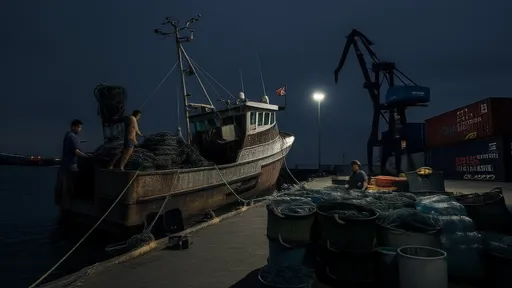
On these floating prisons, workers report 20-hour shifts, physical abuse, and even murder. The United Nations estimates thousands are currently enslaved in the fishing industry. Many vessels operate as "ghost ships" - unregistered and operating outside international law. When these ships finally return to port, their catch gets mixed with legally caught seafood, entering mainstream distribution channels completely undetected.
Thailand has emerged as a particular hotspot for fishing slavery. The country's shrimp and tuna industries have repeatedly been linked to forced labor. Investigations have revealed workers kept in cages, paid nothing, and beaten for attempting to escape. Despite government pledges to clean up the industry, enforcement remains weak and corruption widespread. Much of this tainted seafood eventually gets exported to Japan, America, and Europe.
The problem extends beyond Thailand. Indonesian and Philippine waters host similar abuses. Chinese distant-water fleets have faced increasing scrutiny for labor violations. Even waters near Africa and South America see cases of fishing slavery. The common denominator? A system that prioritizes cheap seafood over human dignity.
Japan's sushi industry sits at the end of this bloody supply chain. As the world's largest importer of seafood, Japan purchases massive quantities of tuna, shrimp, and other species from countries with known labor issues. While some high-end sushi restaurants claim to use only ethically sourced fish, the reality is most establishments have no way to verify their suppliers' labor practices.
The bluefin tuna auctioned for astronomical prices at Tokyo's Tsukiji market may have been caught by slaves. The shrimp in your tempura roll could have been peeled by captive workers. Without proper tracing systems, consumers have no way to know. Industry efforts to self-regulate have proven inadequate, with audits easily faked and certifications often meaningless.
Technology offers some hope. Blockchain initiatives aim to create transparent supply chains where each fish can be traced from ocean to plate. Satellite monitoring could help identify vessels engaging in illegal practices. However, these solutions require widespread adoption and rigorous enforcement to make a real difference.
Consumers hold more power than they realize. By demanding transparency and supporting ethical brands, diners can pressure the industry to change. Some restaurants now proudly display the origins of their seafood, while certain grocery chains have implemented strict sourcing policies. These small steps point toward a more humane future.
The next time you sit down for sushi, consider asking where the fish came from and how it was caught. That simple question could help break the cycle of exploitation. The true cost of seafood shouldn't be measured just in dollars, but in human lives. Until the industry cleans up its act, that elegant piece of tuna on your plate may carry a bitter aftertaste of suffering.
Governments must strengthen regulations and increase penalties for companies profiting from forced labor. International cooperation is essential, as fishing operations deliberately cross borders to evade scrutiny. More importantly, we need to shift our cultural attitude toward seafood - accepting higher prices as the fair cost of ethical sourcing.
The ocean's bounty should nourish us without costing others their freedom. As awareness grows, the sushi industry faces a choice: continue turning a blind eye to slavery, or lead the way in creating a transparent, humane supply chain. The fish on your plate connects you to this global crisis - and to the solution.
By /Jul 4, 2025
By /Jul 4, 2025
By /Jul 4, 2025

By /Jul 4, 2025

By /Jul 4, 2025
By /Jul 4, 2025
By /Jul 4, 2025
By /Jul 4, 2025
By /Jul 4, 2025

By /Jul 4, 2025
By /Jul 4, 2025

By /Jul 4, 2025

By /Jul 4, 2025
By /Jul 4, 2025
By /Jul 4, 2025
By /Jul 4, 2025

By /Jul 4, 2025

By /Jul 4, 2025

By /Jul 4, 2025

By /Jul 4, 2025