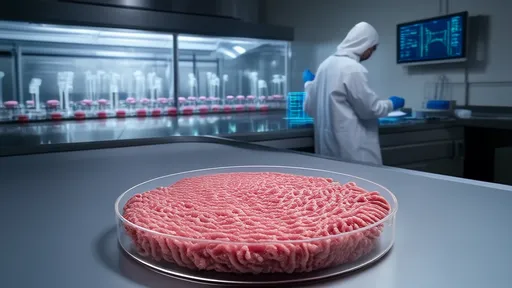
The sizzle of a perfectly seared steak has long been associated with luxury and privilege. For centuries, access to high-quality cuts of meat has been dictated by economic status, with filet mignon and ribeye remaining out of reach for much of the world's population. But a quiet revolution is unfolding in sterile laboratories that could dismantle these culinary class barriers. Cellular agriculture promises to democratize meat consumption by growing beef, pork, and poultry directly from animal cells - no slaughter required.
The staggering environmental cost of traditional livestock farming has accelerated interest in alternative proteins. Conventional beef production requires 20 times more land and emits 20 times more greenhouse gases per gram of edible protein than plant-based staples like beans or lentils. As global meat demand continues rising alongside population growth, these unsustainable practices threaten to push our planet beyond ecological breaking points. Lab-grown meat offers a startling solution: all the sensory satisfaction of animal flesh without the methane-belching herds or deforestation.
Price parity represents the holy grail for cultured meat companies. Early prototypes cost over $300,000 to produce a single patty in 2013. Today, industry leaders have driven costs down by 99% through bioreactor optimization and cell line improvements. Singapore-based startup Meatiply recently demonstrated chicken breast production at $11 per pound - cheaper than organic poultry in many markets. Their secret? A proprietary nutrient medium that uses food-grade ingredients instead of expensive pharmaceutical-grade growth factors.
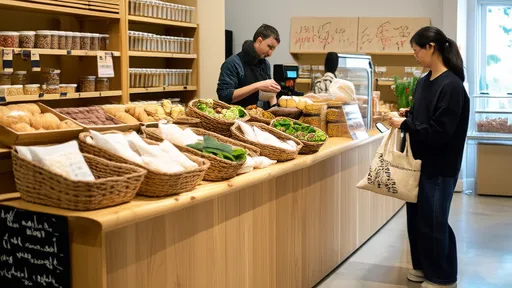
The socioeconomic implications become profound when considering global protein inequality. In Nairobi's Kibera slum, residents spend nearly 60% of their income on food yet rarely taste meat. Across Southeast Asia, millions subsist on rice and vegetables while dreaming of dishes their grandparents enjoyed. Cultured meat could rewrite these nutritional hierarchies by providing affordable access to complete proteins with identical amino acid profiles to conventional meat.
Texture remains the final frontier for lab-grown steaks. While ground meat products have achieved commercial viability, replicating the complex marbling and muscle structure of premium cuts requires advanced tissue engineering. Israeli company Aleph Farms made headlines by 3D-bioprinting a ribeye with visible fat striations, but production costs remain prohibitive. Their solution involves cultivating thicker tissues using plant-based scaffolds that mimic the extracellular matrix found in animal muscle.
Regulatory hurdles continue shaping the industry's trajectory. The U.S. FDA and USDA established a joint framework in 2023 requiring rigorous safety testing but avoiding the "Frankenmeat" stigma that hampered GMO adoption. Meanwhile, China has quietly positioned itself as the future epicenter of cultured protein production, investing $300 million in national research facilities with plans to supply 20% of its meat via cellular agriculture by 2035.
The psychological barrier of acceptance may prove tougher than technical challenges. Focus groups reveal generational divides, with younger consumers embracing "clean meat" while older demographics associate it with unnatural processing. Marketing strategies now emphasize the technology's ability to preserve culinary traditions - imagine serving heritage-breed Iberico ham grown from cells of endangered pig lineages.
Nutritional customization could become cultured meat's killer app. Scientists are developing beef with omega-3 profiles rivaling salmon and chicken enriched with iron typically found in red meat. For developing nations battling anemia and protein deficiencies, these biofortified products might offer life-saving dietary solutions without requiring changes to eating habits.
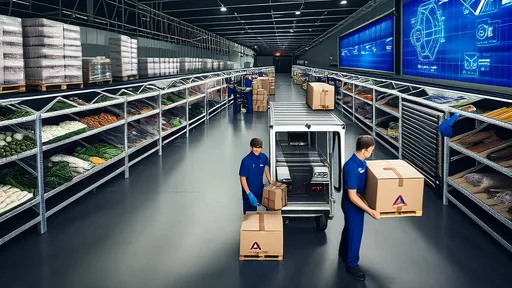
The geopolitical ramifications are equally compelling. Countries reliant on meat imports could achieve food sovereignty through localized production facilities. Desert nations like Saudi Arabia have already partnered with Dutch firms to build solar-powered bioreactors, reducing their dependence on Australian lamb and Brazilian beef. This decentralization of protein production threatens to upend centuries-old trade routes while bolstering national security.
As the technology matures, unexpected applications emerge. Luxury brands explore leather goods grown without livestock, while pharmaceutical companies harvest human-compatible collagen for medical use. The same bioreactors producing burger patties might one day manufacture personalized organ tissues, blurring lines between food and medicine.
The coming decade will test whether science can deliver on its egalitarian promise. Will cultured meat remain a niche product for environmentally conscious elites, or can it truly become the people's protein? The answer lies in scaling production to match the audacity of the vision - a world where a construction worker in Mumbai enjoys the same succulent steak as a Wall Street banker, both cut from the same cellular cloth.
By /Jul 4, 2025
By /Jul 4, 2025
By /Jul 4, 2025

By /Jul 4, 2025

By /Jul 4, 2025
By /Jul 4, 2025

By /Jul 4, 2025
By /Jul 4, 2025
By /Jul 4, 2025
By /Jul 4, 2025
By /Jul 4, 2025

By /Jul 4, 2025

By /Jul 4, 2025

By /Jul 4, 2025

By /Jul 4, 2025

By /Jul 4, 2025

By /Jul 4, 2025

By /Jul 4, 2025

By /Jul 4, 2025

By /Jul 4, 2025